Why Most Bathroom Renovations Go Over Budget
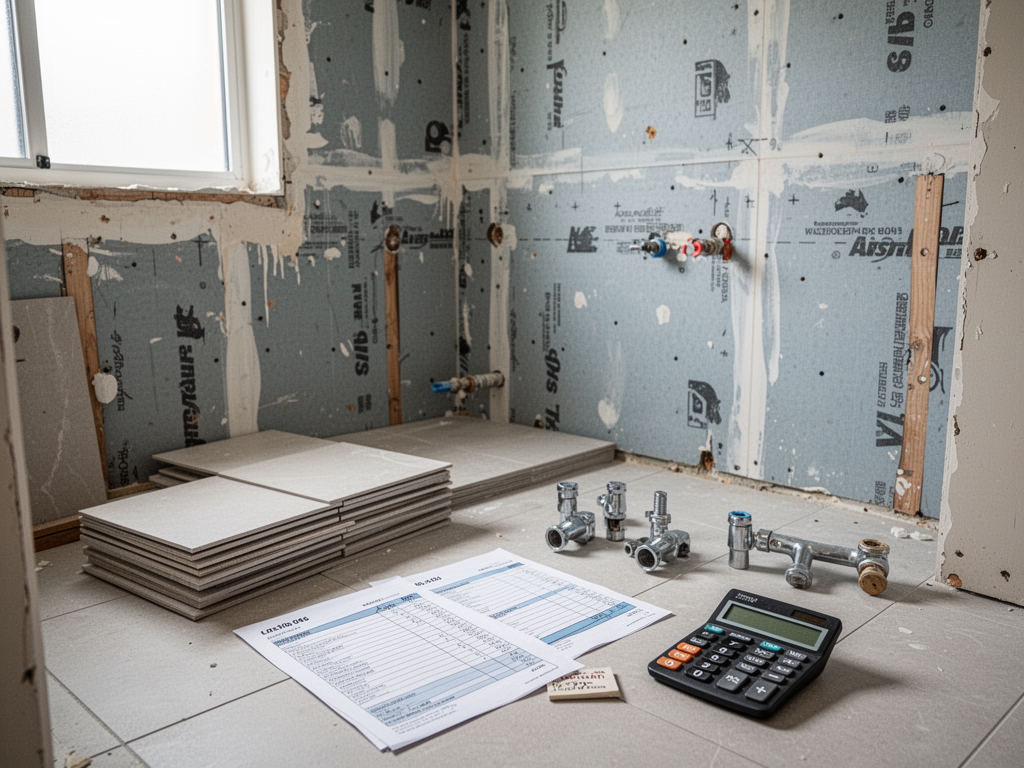
A bathroom may be one of the smallest rooms in the house, but it’s packed with expensive trades, technical requirements, and potential pitfalls. Many homeowners set a $10,000 budget, only to find themselves staring at a $25,000 bill by the time the shower screen is installed. Understanding where these hidden costs hide is the first step to keeping your renovation on track.
1. Hidden Waterproofing Costs
Australian building standards strictly dictate proper waterproofing in wet areas to prevent structural rot and mold. Many homeowners don't budget for comprehensive membrane application, compliance inspections, or the remediation work required if old water damage is discovered during demolition. A failing membrane isn’t just a leak—it’s a major structural hazard that must be addressed before new tiles go down.
2. Plumbing Surprises Behind the Walls
Once you open up walls in an older property, you often find corroded pipes, outdated plumbing, or uncompliant layouts. Moving plumbing points (like relocating a toilet across the room or changing the shower position) is incredibly expensive because it requires altering the concrete slab or structural joists. Keeping fixtures in their original locations can save thousands in plumbing labor.
3. Tile Costs Add Up Faster Than You Think
It’s easy to look at a beautiful tile marked at $40 per square metre and assume it fits the budget. However, tiling involves floor tiles, wall tiles, feature tiles, screeding for falls, waterproofing underneath, high-quality adhesive, grout, and highly skilled labor. Many homeowners budget $500 for materials and end up spending $3,000+ once labor and preparation are factored in.
4. Scope Creep: The Silent Budget Killer
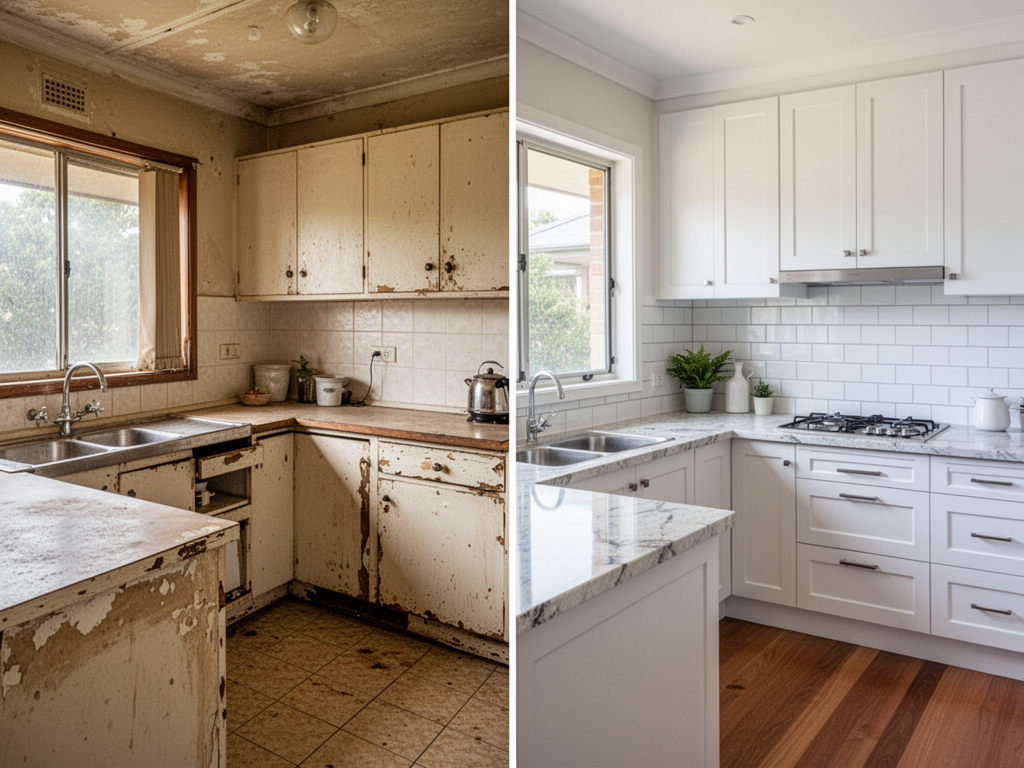
Scope creep happens gradually. It starts with a plan to "just replace the vanity." Then you decide the mirror looks old, so you replace that. Then the floor tiles don't match the new vanity, leading to a full gut renovation. Each small addition pushes the budget further. Sticking strictly to a predetermined plan—and resisting mid-build upgrades—is crucial. Read about kitchen scope creep to see how this affects other rooms.
5. The Real Cost of Not Planning
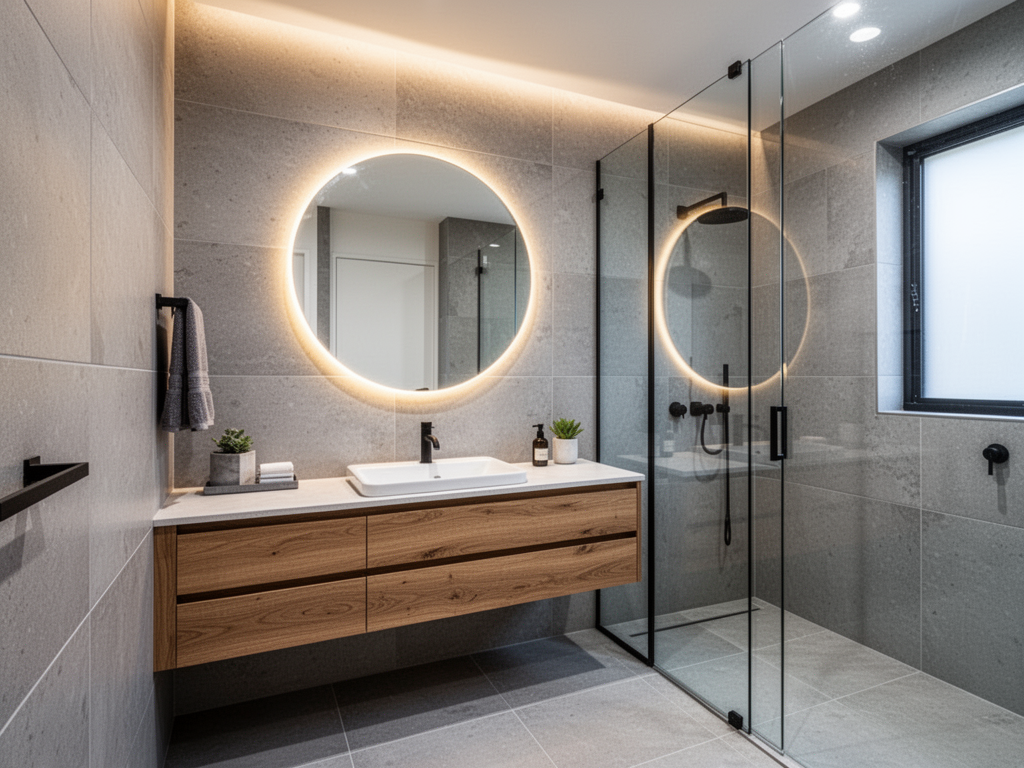
The most expensive changes are the ones made during construction. Proper planning and visualising the space before starting can prevent the most expensive mistakes, such as ordering the wrong size bathtub or realizing a dark tile makes the room feel claustrophobic. Reno Plan AI helps homeowners visualize their spaces and establish clear direction before committing. By reviewing a sample report, you can see how strategic cosmetic upgrades provide higher ROI without structural nightmares.